
7 Security Features Every FinTech Platform Must Have in 2026
By Shivam Sati · Published on March 16, 2026
Introduction
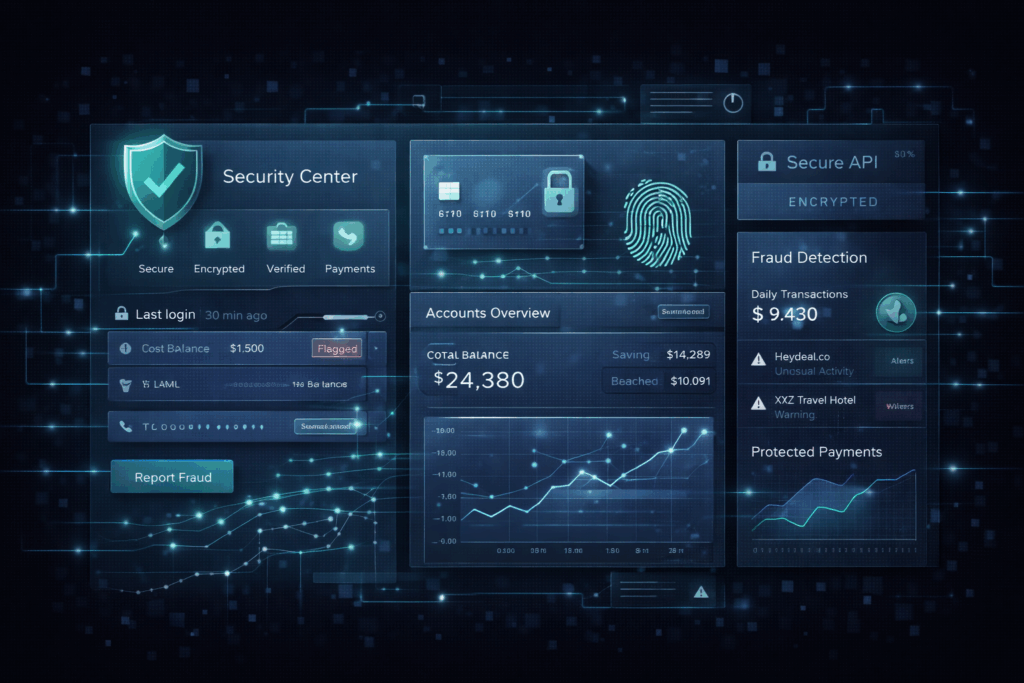
Financial technology platforms handle some of the most sensitive data in the digital world. Payment information, banking credentials, transaction histories, and personal identification details all pass through fintech systems every day.
Because of this, security is one of the most critical aspects of fintech development. A single vulnerability can lead to financial loss, legal consequences, and a damaged reputation.
This is why modern fintech security features are essential for protecting users and maintaining trust. In 2026, fintech companies must implement advanced security systems that prevent fraud, protect data, and ensure safe financial transactions.
Understanding the most important security features helps businesses build safer financial platforms and protect their customers.
Read More.
Table of Contents
- Why Security Is Critical in FinTech
- 7 Essential FinTech Security Features
- How Security Builds Customer Trust
- The Future of FinTech Security
Why Security Is Critical in FinTech
Fintech platforms are attractive targets for cybercriminals. Unlike many other industries, financial platforms involve direct access to money and valuable personal information.
Security failures can lead to:
- data breaches
- identity theft
- fraudulent transactions
- financial losses
Because of these risks, fintech security features must be built directly into the platform architecture rather than added as an afterthought.
Strong security protects both businesses and their customers.
1. Multi-Factor Authentication (MFA)
Multi-factor authentication is one of the most important fintech security features.
Instead of relying only on passwords, MFA requires additional verification steps such as:
- one-time verification codes
- authentication apps
- biometric verification
This extra layer of protection makes unauthorized access significantly more difficult.
2. End-to-End Encryption
Encryption protects sensitive financial data during transmission.
End-to-end encryption ensures that transaction data, login credentials, and personal information remain secure when moving between servers and user devices.
Even if data is intercepted, encryption prevents attackers from reading the information.
3. AI-Powered Fraud Detection
Artificial intelligence has become an important tool for identifying suspicious financial activity.
AI-based fraud detection systems analyze transaction patterns and detect unusual behavior in real time.
These systems can:
- identify suspicious transactions
- flag unusual login activity
- prevent fraudulent payments
This makes AI one of the most powerful fintech security features available today.
4. Secure API Infrastructure
Modern fintech platforms rely heavily on APIs to connect with banks, payment gateways, and other financial services.
However, poorly secured APIs can create vulnerabilities.
Secure API design should include:
- authentication tokens
- request validation
- encrypted communication
These protections help prevent unauthorized access to financial systems.
5. Biometric Authentication
Biometric verification is becoming increasingly common in fintech platforms.
Examples include:
- fingerprint scanning
- facial recognition
- voice authentication
Biometrics improve security by verifying a user’s physical identity, making unauthorized access more difficult.
6. Real-Time Transaction Monitoring
Continuous monitoring helps detect suspicious financial activity immediately.
Advanced monitoring systems track transactions and analyze behavior patterns.
If unusual activity is detected, the system can trigger alerts or temporarily block the transaction.
Real-time monitoring is one of the most effective fintech security features for preventing fraud.
7. Strong Data Privacy and Compliance
Fintech companies must comply with strict regulatory standards.
Security frameworks often include:
- data protection regulations
- privacy policies
- compliance with financial security laws
Regulatory compliance ensures that fintech platforms maintain responsible data practices and protect user information.
How Security Builds Customer Trust
Security is not just about preventing attacks. It also helps build trust with customers.
When users see strong fintech security features, they feel more confident using the platform.
Important trust signals include:
- secure login systems
- visible encryption indicators
- transparent privacy policies
- reliable fraud protection
Trust encourages users to continue using financial platforms and recommend them to others.
The Future of FinTech Security
As digital financial services expand, security technology will continue evolving.
Future fintech security innovations may include:
- AI-driven cybersecurity systems
- blockchain-based transaction verification
- advanced biometric authentication
- predictive fraud detection
These technologies will help financial platforms stay ahead of emerging threats.
Frequently Asked Questions
What are fintech security features?
Fintech security features are technologies and practices designed to protect financial platforms from fraud, data breaches, and unauthorized access.
Why is security important for fintech platforms?
Fintech platforms handle sensitive financial data, making them prime targets for cyber attacks. Strong security systems protect both users and businesses.
What security technologies are used in fintech?
Common technologies include encryption, multi-factor authentication, biometric verification, AI fraud detection, and secure API infrastructure.
Need Help Building Secure FinTech Platforms?
Secure architecture is essential for modern fintech applications. At Softscale, we build scalable and secure web platforms designed to support fintech innovation and protect sensitive financial data.
📧 [email protected]
📞 +91 9306526234
🌍 Softscale.in
Final Thoughts
Security is a fundamental requirement for financial technology platforms. Without strong protection systems, fintech businesses risk losing customer trust and facing serious financial consequences.
By implementing advanced fintech security features, companies can protect users, prevent fraud, and create safer digital financial ecosystems.
Previous Post
Why AI FinTech Startups Are Attracting Massive Investment in 2026
Next Post
Comments (0)
No comments yet. Be the first to share your thoughts.
Related Posts

Why AI FinTech Startups Are Attracting Massive Investment in 2026
Introduction Artificial intelligence is rapidly transforming financial technology. Over the past few years, investors have increasingly focused on…
How FinTech Is Reshaping eCommerce Payments (UPI, Wallets, BNPL & Beyond)
FinTech eCommerce payments are transforming how online businesses handle checkout, security, and customer trust in 2025. The way…

eCommerce and FinTech: How Modern Web Development Powers the Digital Economy
The digital economy is evolving rapidly, with eCommerce and FinTech leading the transformation. Online shopping platforms and financial…