
AI-Driven Personalization in eCommerce: How to Boost Conversions in 2026
By Shivam Sati · Published on January 6, 2026
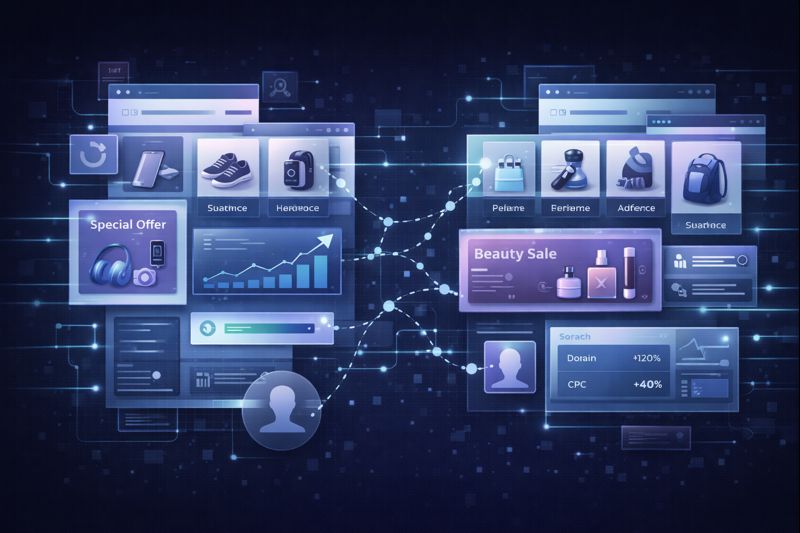
Customer expectations in eCommerce have changed permanently. Shoppers no longer respond to generic homepages, static product listings, or one-size-fits-all offers. In 2026, personalization is not a competitive advantage — it is a requirement.
This is where eCommerce AI personalization comes in. By using artificial intelligence to understand user behavior, preferences, and intent, modern eCommerce websites can deliver tailored experiences that directly impact conversions.
This blog explains what AI-driven personalization really means, why it matters in 2026, and how businesses can use it to boost conversion rates without compromising trust.
📑 Table of Contents
- Why Personalization Matters More in 2026
- What Is eCommerce AI Personalization?
- How AI Personalization Boosts Conversions
- Common Personalization Mistakes to Avoid
- Implementing AI Personalization the Right Way
- Privacy, Trust, and Ethical Considerations
- The Future of AI-Driven eCommerce Experiences
1. Why Personalization Matters More in 2026
Online shoppers are overwhelmed with choices. When every store looks similar, relevance becomes the deciding factor.
In 2026, users expect:
- products that match their interests
- content that reflects their behavior
- offers that feel timely and relevant
Websites that fail to personalize feel outdated and disconnected.
AI-driven personalization allows businesses to respond to users in real time instead of relying on static assumptions. This shift directly impacts engagement, trust, and conversions.
2. What Is eCommerce AI Personalization?
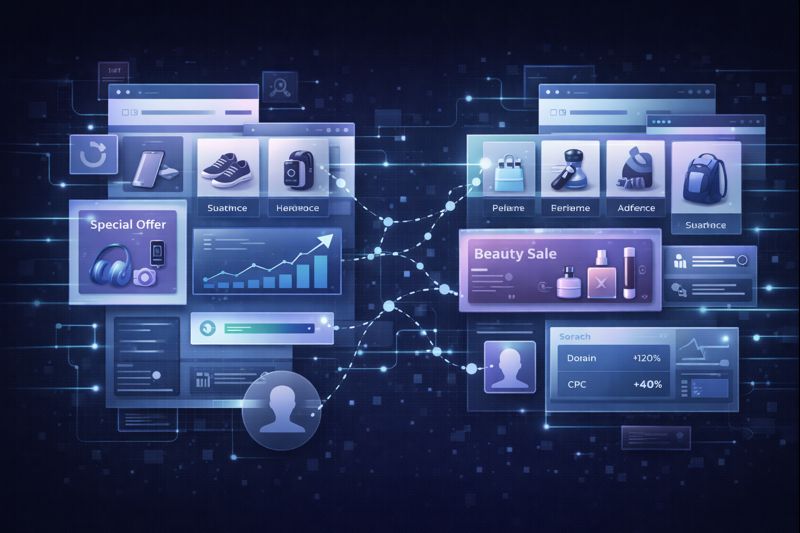
eCommerce AI personalization uses machine learning and data analysis to adapt the shopping experience for each user.
This includes:
- personalized product recommendations
- dynamic homepage content
- customized search results
- behavior-based offers and pricing
- personalized emails and notifications
Unlike rule-based personalization, AI continuously learns from user behavior and improves over time.
The result is an experience that feels relevant without being intrusive.
3. How eCommerce AI Personalization Boosts Conversions
AI-driven personalization impacts conversions in multiple ways.
Improved Product Discovery
Users find relevant products faster, reducing friction and decision fatigue.
Higher Engagement
Personalized content keeps users browsing longer and interacting more.
Increased Average Order Value
AI recommendations often encourage complementary or higher-value products.
Reduced Bounce Rates
When users see relevant content immediately, they are less likely to leave.
By aligning the shopping experience with user intent, eCommerce AI personalization turns passive visitors into active buyers.
4. Common Personalization Mistakes to Avoid
Personalization can backfire if implemented poorly.
Common mistakes include:
- over-personalizing too early
- using poor or limited data
- ignoring mobile experience
- making personalization obvious or uncomfortable
AI personalization should feel helpful, not invasive. Subtle improvements outperform aggressive targeting.
Successful personalization focuses on usability first, not clever algorithms.
Rapid AI growth.
5. Implementing AI Personalization the Right Way
AI personalization is not a plugin you install and forget. It requires the right foundation.
Key requirements include:
- clean, scalable website architecture
- fast performance
- structured data collection
- API-friendly integrations
From a web development perspective, personalization works best when the website is built to support modular updates and real-time changes.
Without proper structure, even the best AI tools underperform.
6. Privacy, Trust, and Ethical Considerations
Personalization depends on data, and data comes with responsibility.
In 2026, users are more aware of:
- data privacy
- tracking practices
- consent and transparency
Effective eCommerce AI personalization balances relevance with trust.
Best practices include:
- collecting only necessary data
- being transparent about usage
- offering control to users
- securing user information
Trust is a conversion factor. Losing it negates any personalization benefit.
7. The Future of AI-Driven eCommerce Experiences
AI personalization will continue to evolve beyond recommendations.
Future trends include:
- predictive shopping journeys
- adaptive UX layouts
- voice- and intent-based interactions
- real-time personalization across devices
Businesses that invest early in scalable, AI-ready websites will adapt faster as these capabilities mature.
In contrast, rigid websites will struggle to keep up.
❓ Frequently Asked Questions
What is eCommerce AI personalization?
eCommerce AI personalization uses artificial intelligence to tailor shopping experiences based on user behavior, preferences, and intent.
Does AI personalization really improve conversions?
Yes. When implemented correctly, AI personalization improves engagement, reduces friction, and increases conversion rates and order value.
Is AI personalization safe for user privacy?
It can be, if businesses follow ethical data practices, transparency, and strong security standards.
📩 Need Help Implementing AI Personalization?
If you want to use eCommerce AI personalization effectively, your website must be fast, scalable, and built for change. At Softscale, we design and develop modern eCommerce websites that support AI integrations, performance optimization, and long-term growth.
📧 [email protected]
📞+91 9306526234
🌍 Visit Softscale.
🧾 Final Thoughts
In 2026, generic eCommerce experiences are invisible. Personalized experiences convert.
AI-driven personalization is not about manipulation. It’s about relevance, efficiency, and respect for user intent. Businesses that use eCommerce AI personalization thoughtfully will see stronger engagement, higher conversions, and better long-term loyalty.
The future of eCommerce belongs to websites that adapt in real time.
Previous Post
What a Website Should Do After Launch (But Most Don’t)
Next Post
Why Website Speed Is Still the #1 Conversion Factor in...
Comments (0)
No comments yet. Be the first to share your thoughts.
Related Posts
Why One-Click Checkout Is Becoming Essential for eCommerce in 2026
In eCommerce, every extra step between adding a product to the cart and completing a purchase increases the…
7 UX Mistakes That Are Killing eCommerce Sales in 2026
Introduction A great product and strong marketing can bring visitors to an online store, but poor user experience…
How AI Shopping Assistants Are Changing eCommerce in 2026
Introduction Online shopping has evolved rapidly over the past decade, but the biggest transformation is happening right now.…