
Why AI Is Evolving So Fast, Whether AI is Dangerous, And How We Can Use It for Good
By Shivam Sati · Published on December 23, 2025
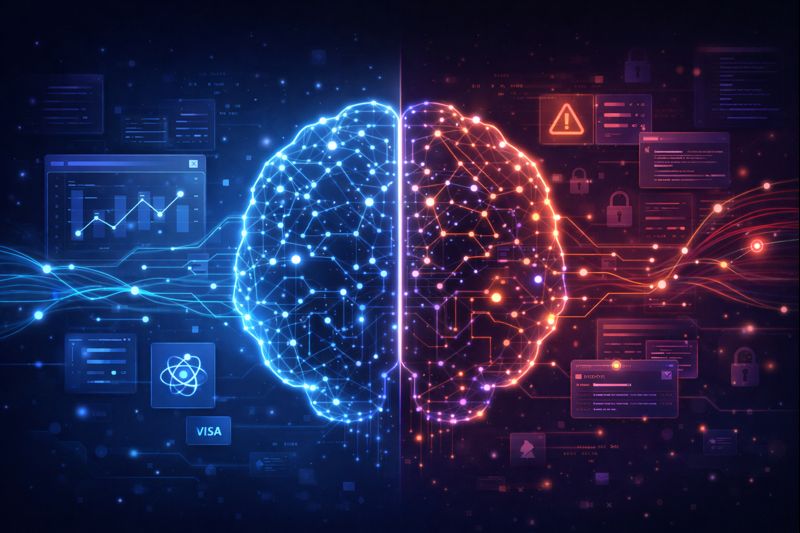
is AI dangerous:Artificial intelligence is no longer a sci-fi concept. It’s part of everyday life — from the way we shop to how we search, work, and make decisions. In just a few years, AI went from something only labs talked about to something billions of people interact with daily. But why is AI accelerating so rapidly, what risks does it pose, and how can we harness it for positive impact?
1. Why AI Is Advancing Faster Than Ever
AI isn’t magic. Its rapid development is driven by several real-world factors:
More data than ever before
Every search, picture, voice command, and click online produces data. AI systems use this data to learn patterns and improve. Companies like Google, Meta, and Amazon train huge models on massive datasets that were impossible to collect a decade ago.
Better hardware
GPUs, TPUs, and dedicated AI chips have dramatically increased computing power. Tasks that once took days now happen in minutes.
Open research and collaboration
AI progress isn’t locked behind closed doors. Universities, open-source communities, and companies publish research constantly. Developers around the world build on each other’s breakthroughs.
Big money and real business use cases
Companies are investing billions because AI improves products, increases sales, boosts efficiency, and reduces costs. That creates a feedback loop: more money → more research → faster innovation. is AI dangerous
Ease of access
Tools like open models and cloud AI services let even small teams build powerful AI systems without massive infrastructure.
This combination is why AI isn’t just evolving — it’s racing ahead.
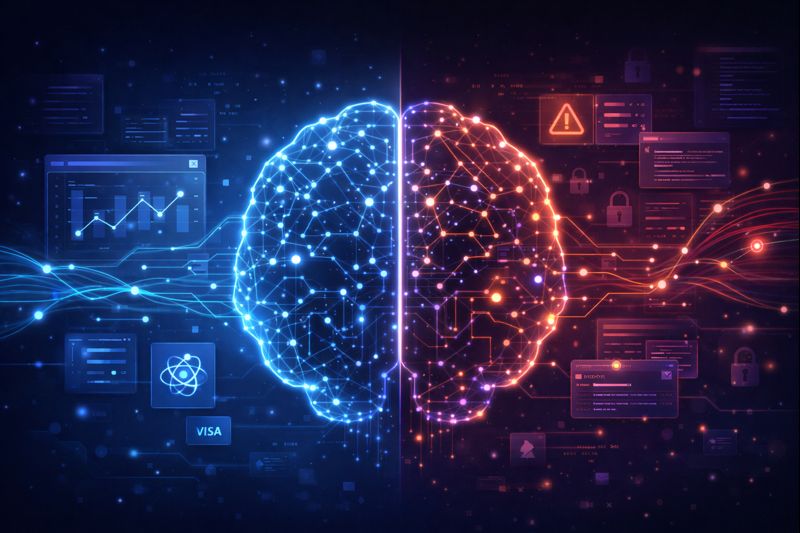
2. Is AI Dangerous for Us?
Short answer: it can be — if we treat it like a toy instead of a powerful technology.
Here are the key concerns:
A. Job disruption
is AI dangerous : Automation threatens tasks traditionally done by humans. That doesn’t mean everyone loses jobs, but certain roles will change or disappear faster than society can retrain workers.
B. Misinformation and deepfakes
is AI dangerous : AI can generate convincingly fake images, videos, and text. If used carelessly, this can erode trust in news, elections, and facts.
C. Bias and unfair decisions
AI learns from data created by humans. If the data contains prejudice, the AI can replicate or even amplify it — making unfair decisions in hiring, lending, and more.
D. AI misuse
is AI dangerous : Like any tool, AI can be used maliciously — to spam, hack, write malware, or conduct scams.
E. Loss of control concerns
Some experts worry future AI systems could act in ways their creators didn’t intend. While we’re not there yet, it’s a topic serious researchers debate.
The risk isn’t AI itself — it’s how humans build and deploy it.
AI-powered websites are transforming modern web development by improving automation and personalization. here it is
3. How AI Can Be Used for Good
AI isn’t just a threat — it’s one of the most powerful tools we’ve ever created for solving real problems. Here’s how:
A. Healthcare
AI helps doctors detect diseases earlier, analyze medical scans faster, and personalize treatment plans. That saves lives.
B. Accessibility
Speech recognition, real-time translation, assistive tech for people with disabilities — AI makes digital spaces more inclusive.
C. Education
Intelligent tutoring systems adapt to each student’s pace, making learning more effective and personalized.
D. Business efficiency
AI automates repetitive tasks, improves customer service with chatbots, and analyzes data that humans can’t sift through manually.
E. Climate and environment
AI models help predict weather patterns, optimize energy use, and monitor endangered ecosystems.
In all these areas, AI amplifies human capability when used responsibly.
According to recent AI research…
4. How to Use AI Responsibly (Practical Steps)
If you’re building a product or integrating AI, here’s how to stay ethical and effective:
A. Validate data quality
Bad data = bad results. Ensure datasets are accurate, diverse, and unbiased.
B. Test extensively
Before launching AI features, test them under many scenarios. Watch for errors, discriminatory behavior, and edge case failures.
C. Be transparent with users
Tell people when AI is involved. Transparency builds trust.
D. Prioritize security
AI systems can leak sensitive data or be tricked. Secure models and access points properly.
E. Add human oversight
AI should assist, not replace human judgment — especially in critical decisions.
5. What AI Means for the Future (Realistic View, No Hype)
AI will continue reshaping industries:
- Search engines will become more conversational and context-aware
- Personalized experiences will be standard (not optional)
- Repetitive tasks will be automated across professions
- Creative work will be assisted by AI, not replaced
- Data-driven decisions will outperform gut-based decisions
But humans will still matter. Critical thinking, empathy, ethics, and judgment are not things AI can own anytime soon.
6. Practical Tips for Everyday Users
If you’re not a developer, you can still benefit from AI:
- Use AI tools to summarize long articles and save time
- Use smart assistants for scheduling, reminders, and ideas
- Learn basic AI literacy to spot misinformation
- Keep personal data safe — don’t overshare with AI chatbots
- Embrace AI tools that make you more productive, not dependent
AI is a tool — powerful, but not magical is AI dangerous.
Conclusion: AI Is Not Just a Trend — It’s a Turning Point
AI’s growth isn’t slowing. Whether that makes the world better or worse depends on how we apply it. With responsibility, transparency, and human values at the center, AI can amplify innovation, accessibility, and quality of life. With ignorance and negligence, it can spread misinformation, bias, and harm is AI dangerous.
The choice isn’t easy. But awareness and curiosity are the first steps.
Previous Post
eCommerce and FinTech: How Modern Web Development Powers the Digital...
Next Post
Why Websites Fail in 2025 More Than Ever (And How...
Comments (0)
No comments yet. Be the first to share your thoughts.
Related Posts
Why Payment Experience Is Now More Important Than Price in eCommerce.
Introduction For years, businesses believed that price was the most important factor in eCommerce success. Lower prices meant…
5 Trust Signals Every eCommerce Website Must Have in 2026
Introduction Trust plays a crucial role in online shopping. Unlike physical stores, customers cannot see the product, interact…

The Rise of AI Shopping Agents: How They Are Transforming eCommerce in 2026
Introduction Online shopping is entering a new phase. For years, eCommerce websites relied on search bars, filters, and…